
Middle Fork Bottoms State Park
Nestled in the heart of West Tennessee, Middle Fork Bottoms State Park offers a unique blend of rich history and natural beauty. Spanning approximately 860 acres, this park transformed from a floodplain restoration project in 2018 into a thriving habitat. Originally managed by the West Tennessee...
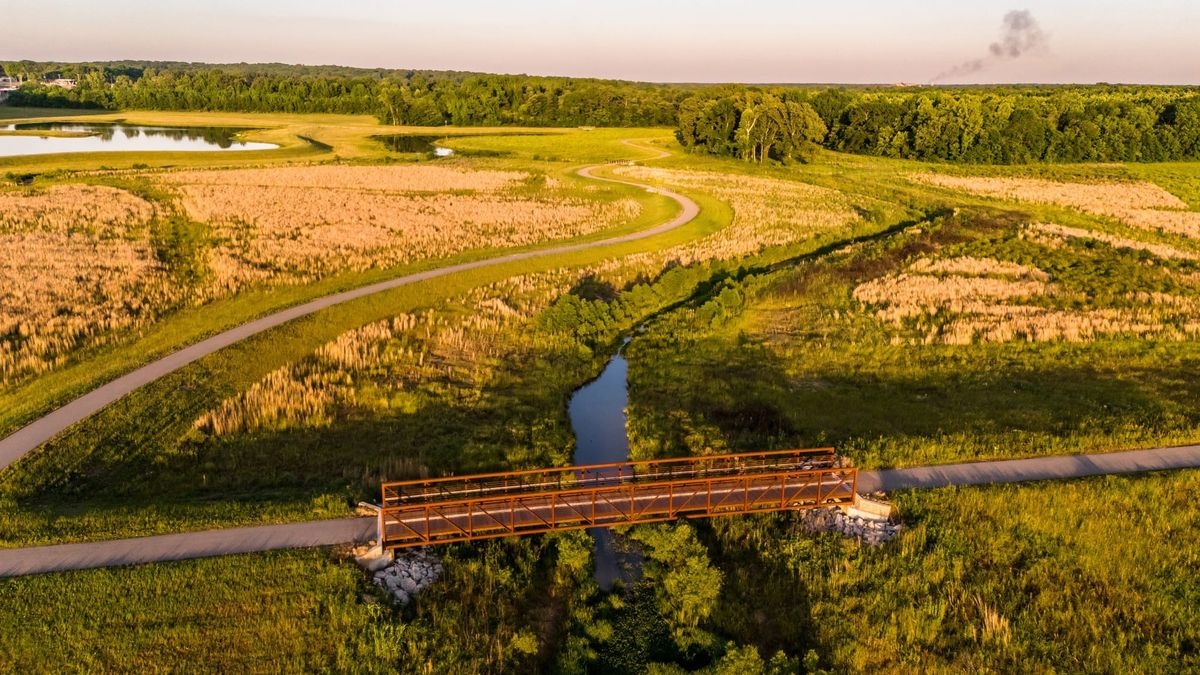
Nestled in the heart of West Tennessee, Middle Fork Bottoms State Park offers a unique blend of rich history and natural beauty. Spanning approximately 860 acres, this park transformed from a floodplain restoration project in 2018 into a thriving habitat. Originally managed by the West Tennessee River Basin Authority, the park boasts 250,000 newly planted hardwood trees, over 200 acres of restored wetlands, and two miles of revitalized streams. Visitors can immerse themselves in the park’s diverse landscapes, which include fishing areas, paddle craft access on Middle Fork Lake, and four miles of scenic walking trails. The park features multiple wetland areas, five lakes (four of which are fishable), and native grassland habitat. Visitors will also find a newly planted bald cypress grove covering five acres, various waterfowl habitats, and vast areas of sycamore and cottonwood trees. The area that now flourishes with wildlife and greenery was once used for row crop agriculture and sod farming. In the early 1900s, the natural watercourses were heavily altered for drainage, and a train depot, known as Young’s Crossing, served as a hub for loading agricultural goods. A hog farm also once occupied the eastern side of the property. A notable highlight is the newly planted grove of bottomland hardwoods, encompassing approximately 450 acres. This grove includes species like nuttall oak, overcup oak, cherry bark oak, willow oak, water oak, and shumard oak, providing essential food variety for wildlife with interspersed soft mast species such as persimmon. The park is a hotspot for wildlife, including waterfowl during winter months, Wild Turkey, white-tailed deer, small mammals, and predators like coyotes and bobcats. Birdwatchers can spot shorebirds like Killdeer and wading birds such as Great Egret and Great Blue Heron. Anglers will enjoy fishable lakes stocked with bluegill, catfish, and bass. Reptiles, amphibians, and six species of naturally occurring mussels help improve water quality and add to the park’s ecological diversity. Community involvement has played a pivotal role in the park's development, with contributions from organizations like the Tennessee Wildlife Resources Agency, West Tennessee River Basin Authority, Madison County, City of Jackson, and the Jackson Area Chamber of Commerce. Civic groups, local businesses, and environmental organizations have also lent support, from tree and bench donations to the construction of an overlook and the installation of beekeeping hives.